This summer, I worked on the “Energy Station” project at Bilibili, a major video platform in China, which produces short animations for emotional support and mental well-being.
During my internship, my role was called “animation design,” which basically included storyboards, character design, backgrounds, and even some animation work.
My main responsibility was turning the writer’s script into storyboards and transforming text into shots that could actually be produced.
Core Responsibilities of a Storyboard Artist
I realized during the internship that storyboard artists don’t just draw, they are the starting point for the whole animation process.
ScreenSkills explain that storyboard artists visualize the script and director’s vision so the whole team understands how the story will unfold.
In the industry, without clear storyboards, teams often struggle with misunderstandings, production issues, and inefficiency.
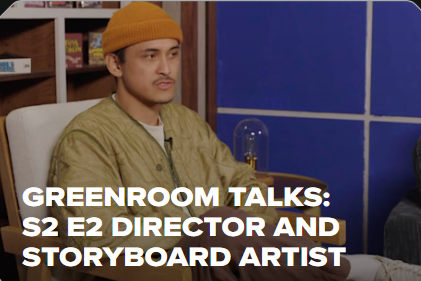
According to storyboard artists and directors in Skybound Greenroom Talks, storyboard artists play a key role in character arcs, they don’t just design shots, they help define psychological growth.

Skills and Workflow
From both my work and research, I learned that storyboard artists need:
- strong drawing skills
- understanding of camera language
- storytelling and pacing
- communication skills
- practical production awareness
Practical Example from My Work
For example, in a video about “how to socialize with classmates,” I designed shots showing the main character greeting others on the first day of school:
- a close-up to show a nervous smile
- a push-in shot showing hesitation
- a wide shot showing the classroom and distance between people
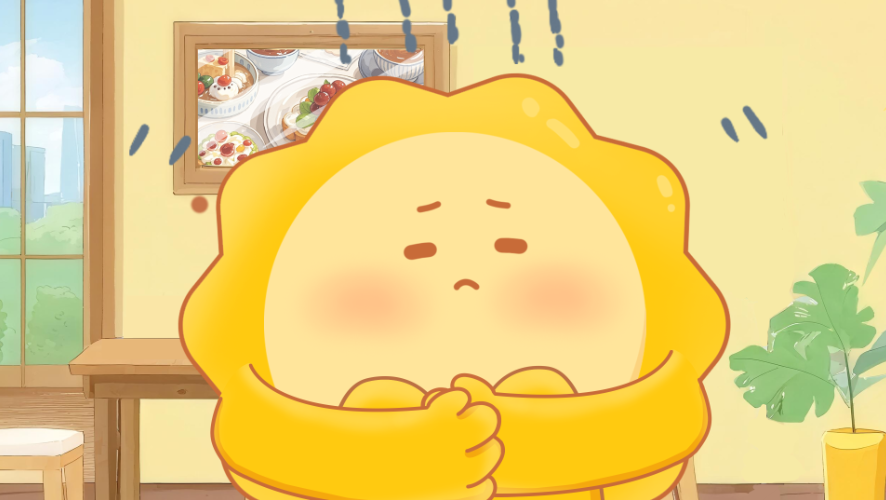
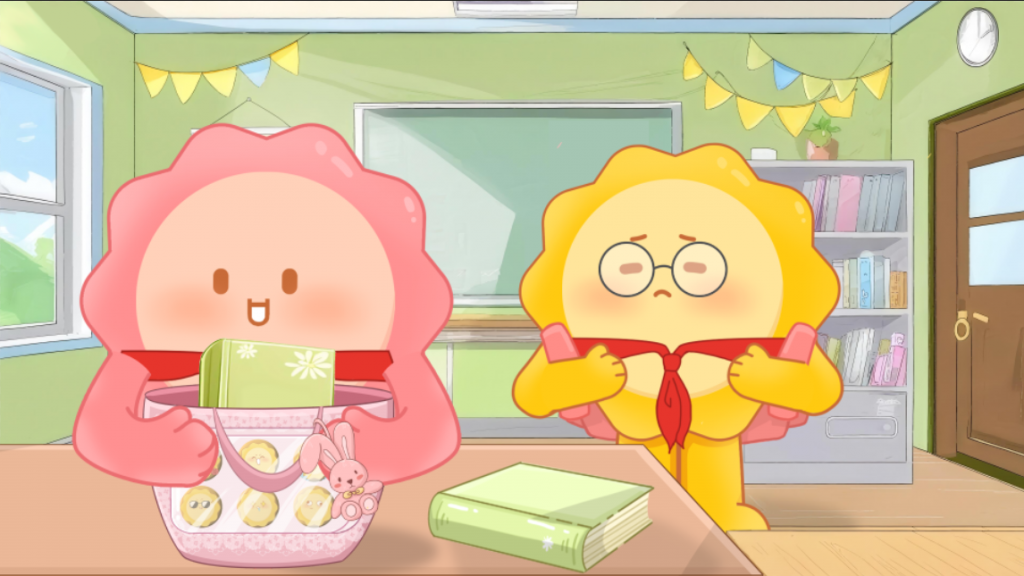
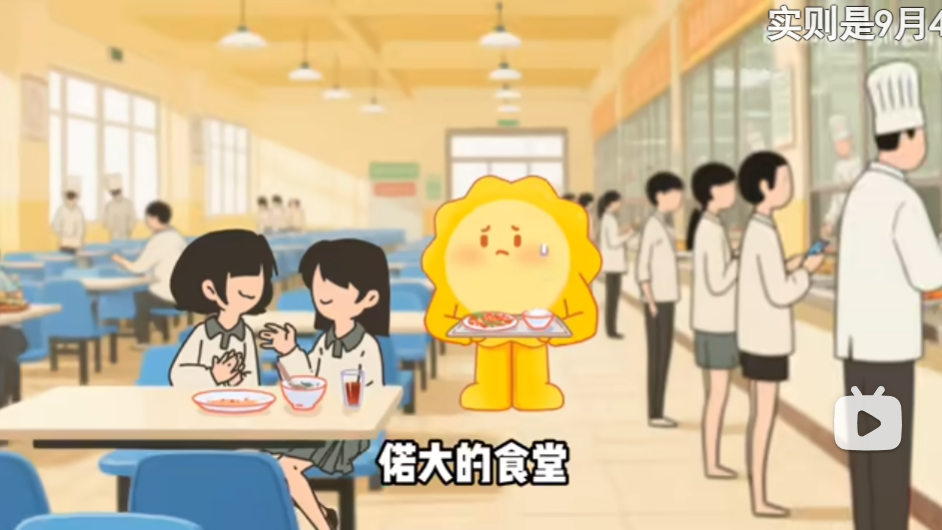
This helped me understand how shot choices affect the audience emotionally. I also realized that storyboarding isn’t just about coming up with cool shots.
Sometimes I would draw something that looked great on paper, but then the team would point out that it wasn’t doable within our schedule or with the tools we had.
So now I always think about whether a shot can actually be executed — whether the timing works, whether the animation team can pull it off, and whether the technology or production limits will allow it. That kind of practical thinking is something I didn’t fully understand until this internship.
Reflection and Career Direction
When working on storyboards, I enjoyed thinking visually and exploring how shots change emotional impact. Of course, tight deadlines, revisions, and teamwork can be stressful. But overall, the role fits my interests in storytelling and visual expression.
Because this project was public-welfare oriented, it also pushed me to think about animation as emotional support. There is something magical about turning words into moving images.
References
ScreenSkills. (2024). Storyboard artist: job profile. ScreenSkills. Available at: https://www.screenskills.com/job-profiles/browse/animation/pre-production/storyboard-artist/ (Accessed: 17 November 2025)
Skybound. (2024). Greenroom Talks – Director & Storyboard Artist Discussion (Invincible) Available at: https://youtu.be/b459ce8WR34?si=HG2aewWMJJwqCRBl (Accessed: 18 November 2025)
Hart, J. (2008) The art of the storyboard: A filmmaker’s introduction. 2nd edn. Amsterdam; Boston: Elsevier/Focal Press.
Leave a Reply