During my internship on the “Energy Station” project at Bilibili, I wasn’t only doing storyboard related work. A big part of my role was actually scene design.
For every episode, I needed to create different backgrounds based on the story, build the space, and draw the environment from multiple angles and shot types.
One of the most memorable tasks was designing the main character’s living spaces, including their bedroom, study room, school, living room, and even a library. I also created both daytime and nighttime versions, which really changed the mood of the scenes.
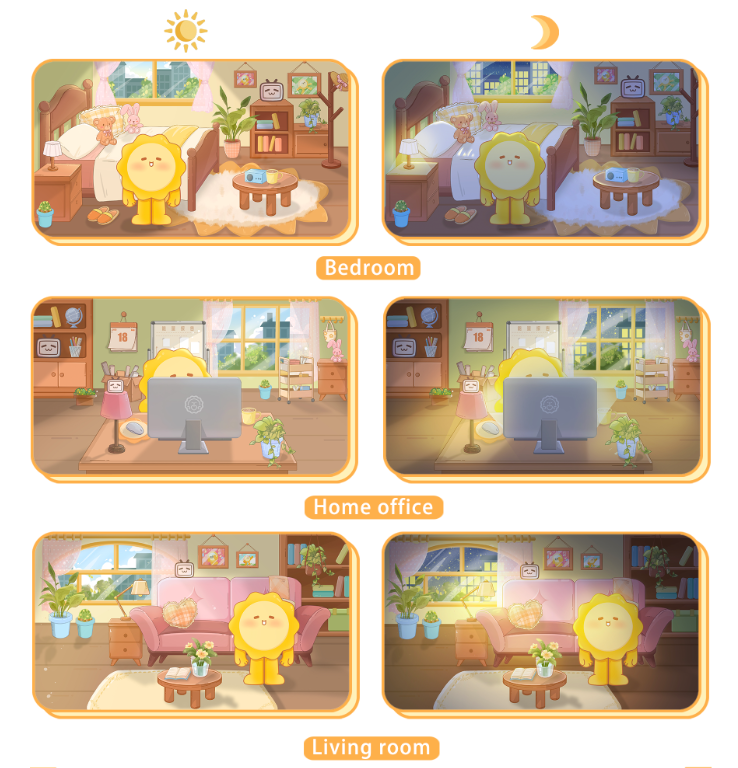
Understanding Scene Design
Through this process, I realized that scene design is much more than drawing pretty backgrounds. It includes everything from the overall world building and visual style, to tiny details like a poster on the wall or the texture of a table. All of these elements support storytelling.
I also needed to consider whether the visual style matched the tone of the video, whether certain elements might trigger emotional discomfort for viewers, and what kind of information the environment was providing.
Sometimes a detailed environment can distract the audience, so I always checked whether the scene supported the character instead of stealing attention.
Industry References and Research
According to The Art of the Storyboard by John Hart (2008), environments act as the “stage” where the characters perform, and the brightest or most contrasted areas often become the focal point for the audience.
I also watched lectures from production designers such as Ralph Eggleston from Pixar, who emphasized that good environment design communicates narrative through space and color rather than dialogue. This helped me rethink how to use layout and lighting to guide viewer attention.
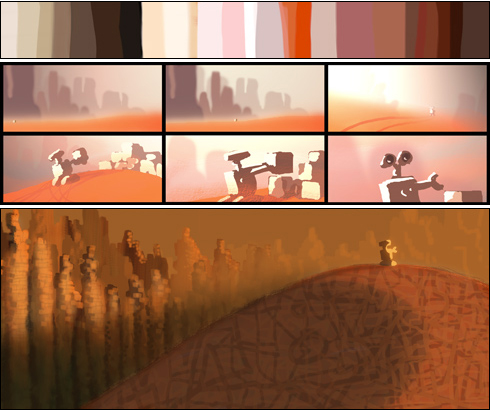
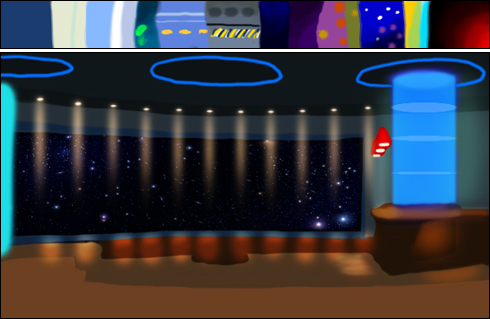
Tools and Workflow
- script reading
- rough spatial layout
- 3D block-out to check perspective and camera movement
- color and lighting
- final background
Using 3D modeling really helped me design consistent spaces. For some scenes, I built simple 3D models to assist with perspective and layout, which made later angles easier to draw.
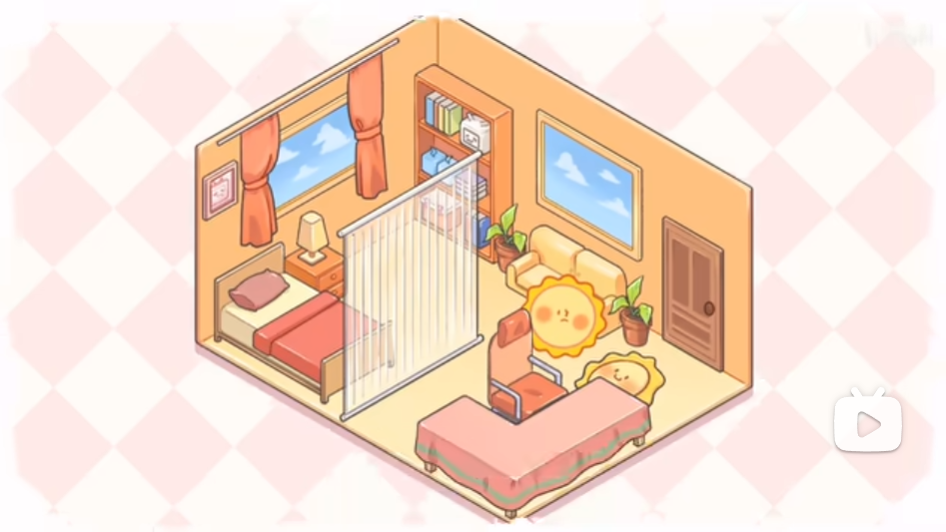
Reflection and Future Direction
Looking at the industry, I think scene designers will need to master new design tools and keep updating their creative approaches.
I hope I can continue developing in this direction and create environments that feel meaningful and emotionally engaging.
Reference
Barbagallo, R. (2009) Design With a Purpose: An Interview with Ralph Eggleston. Animation Art Conservation. Available at: https://www.animationartconservation.com/design-with-a-purpose%2C-an-interview-with-ralph-eggleston.html (Accessed: 17 November 2025).
Hart, J. (2008) The Art of the Storyboard: A Filmmaker’s Introduction. Elsevier/Focal Press.
Brownbridge, C. (2023) How To Storyboard Your Design [electronic resource]. Digital Theatre+.
Leave a Reply